
To effectively utilize solar panels, the key lies in maximizing sunlight reception (optimal orientation, avoiding obstructions, using trackers) and optimizing energy utilization (using high-energy-consuming appliances during the day, incorporating energy storage, and performing regular cleaning and maintenance). Ensure the panels are installed in a sunny, unobstructed location and kept clean to improve power generation efficiency within limited sunlight hours.
1. Installation Optimization
Optimal Orientation and Angle: Panels should face south (in the Northern Hemisphere) to maximize sunlight exposure and be adjusted to the optimal tilt angle.
Remove Obstructions: Regularly trim trees and be aware of potential shadows from new buildings, satellite dishes, etc.
Consider Tracking Systems: Solar trackers that automatically follow the sun can significantly increase energy capture.
2. Improving Power Generation Efficiency
Maximize daytime use: Use high-power appliances (such as washing machines and air conditioners) during daylight hours whenever possible, in conjunction with the power grid or energy storage systems.
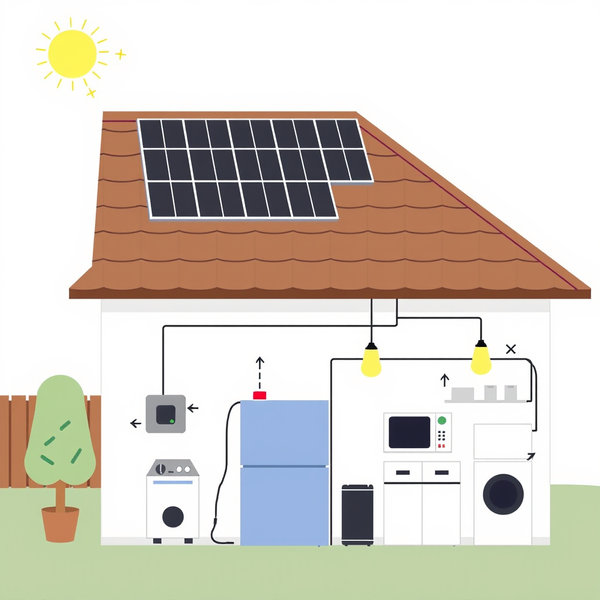
Cloudy days and nighttime: Power generation is still possible on cloudy days, but efficiency is reduced. At night, energy storage batteries or grid power are required.
Keep it clean: Dust and bird droppings can hinder power generation. Regularly rinse with a hose and mild soapy water, avoiding high-temperature cleaning.
3. Maintenance and Safety
Regular inspections: Check the condition of the wiring, connectors, and panels, especially in dusty or snowy areas.
Safe cleaning: It is best to clean the panels from the ground using a hose, avoiding standing on slippery roofs, and strictly prohibiting walking on the panels.
Professional installation: Ensure the roof can bear the weight, have the system installed by professionals, and complete the grid connection procedures.
4. Energy Management
Energy Storage: Utilize batteries to store excess electricity generated during the day for use at night, reducing reliance on the power grid.
High-Efficiency Inverters: Choose appropriate inverters to convert DC power into usable AC power; microinverters can improve overall efficiency.
Smart Energy Usage: Utilize smart systems to manage electricity consumption, using more power during peak generation periods.